

Bulk Cement Terminal Projects: Storage, Conveying and Truck Loading in One System
A bulk cement terminal lives or dies by throughput. Cement arrives by ship, barge or railcar in large batches and leaves by road tanker in daily deliveries — and every hour in between, the material sits in storage waiting to cause trouble. Heat it wrong and it cakes; vent it wrong and it dusts the neighborhood; size it wrong and trucks queue while the silo is still full. A terminal project succeeds when storage, receiving, internal conveying and truck loading are engineered as one system rather than procured as four.
This guide walks through the four subsystems of a cement distribution terminal and the design decisions that tie them together.
Why Cement Terminals Are Unforgiving
Cement is a hygroscopic, mildly reactive powder. It enters the silo hot — ground cement can leave the mill at 80°C or more — and every degree above the recommended entry temperature of around 65°C compounds the risk of caking and quality loss during storage. Moisture is the second enemy: humid air drawn in with the conveying air condenses on cool shell surfaces, and cement that picks up moisture sets in place, building wall deposits that shrink usable capacity and eventually block discharge.
Both failure modes are invisible from outside the silo. That is why terminal design is about controlling temperature, air and moisture paths from the moment cement leaves the mill or the ship — not about decorating a storage tank after the fact.
Storage: Welded Silos Built for Cement Duty
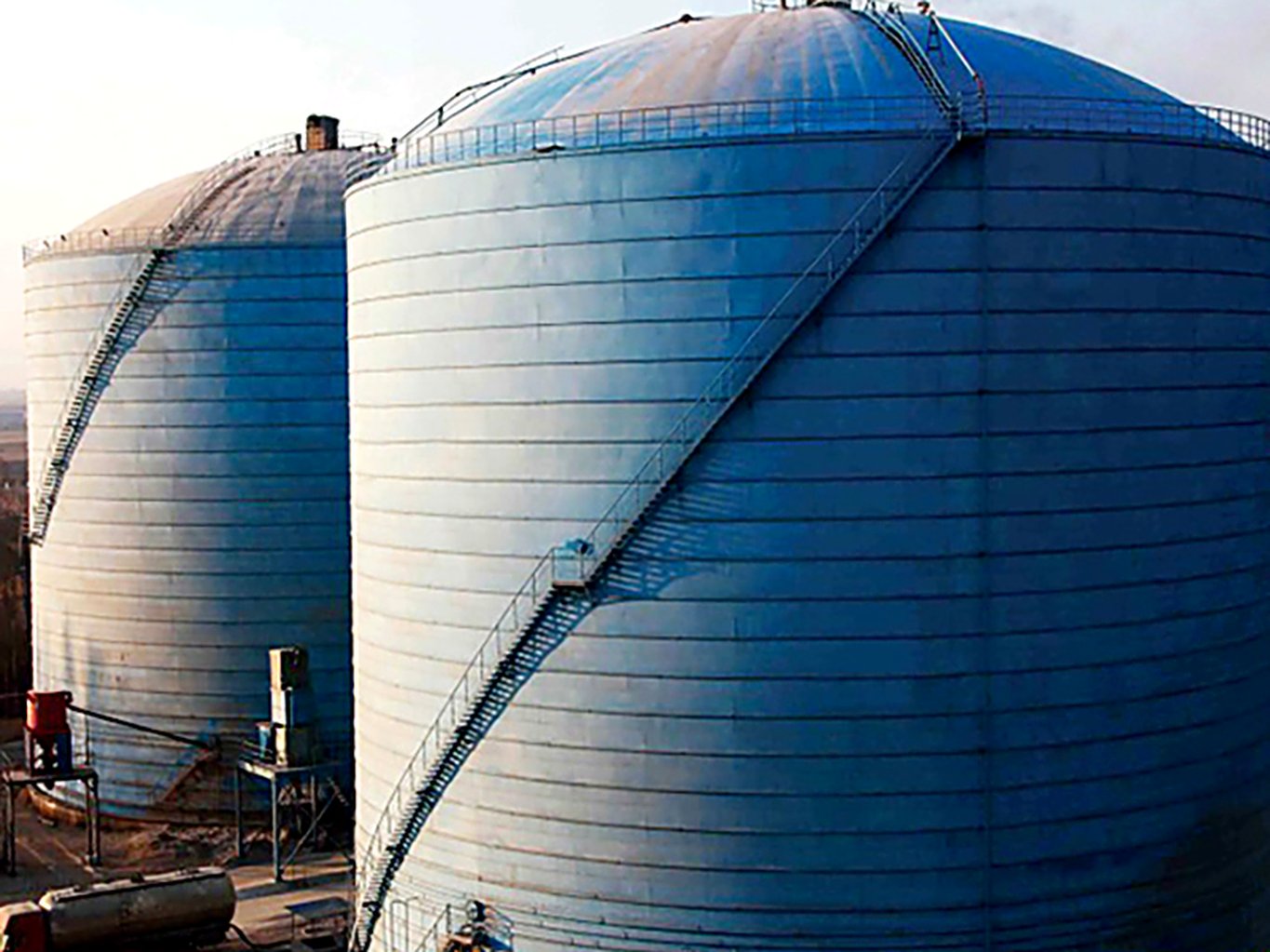
For distribution terminals, the large welded steel silo is the reference storage structure: smooth walls for clean flow, fully welded seams for the airtightness cement demands, and single-silo capacities that cover terminal duties — with the large welded class serving projects from roughly 8,000 up to 100,000 tons. Nominal capacity is stated in tons, not cubic meters: at a cement bulk density of roughly 1.3 t/m³, geometry and density both enter the sizing equation, along with the turnover margin between vessel arrivals and daily truck dispatch.
1. Flat-bottom storage with engineered discharge: large welded cement silos are built as flat-bottom structures, with the discharge engineered into the base — fluidizing aeration that re-entrains air at the material boundary and keeps powder moving to the outlet. Discharge is designed with the shell, not retrofitted onto it.
2. Pressure relief is not optional: every filling cycle displaces air at the roof. The standard calls for at least two DN200-class pressure relief valves per silo, set to open at around 1.1 times the design working pressure and to act within half a second of an over-pressure event — matched to the roof vent filter, which is itself sized for peak filling airflow and checked for structural load, since filter units in the 500–1,200 kg class plus dust cake weight sit on the shell.
3. Level instrumentation in two principles: a continuous radar or ultrasonic instrument tracks inventory for dispatch planning, while an independent point-level detector of a different measurement principle — electromechanical or capacitive — guards the top of the silo and stops inbound conveying before the roof filter is endangered.
For construction types and capacity classes in detail, see our cement silo page.
Receiving: Ship, Rail or Road Inbound
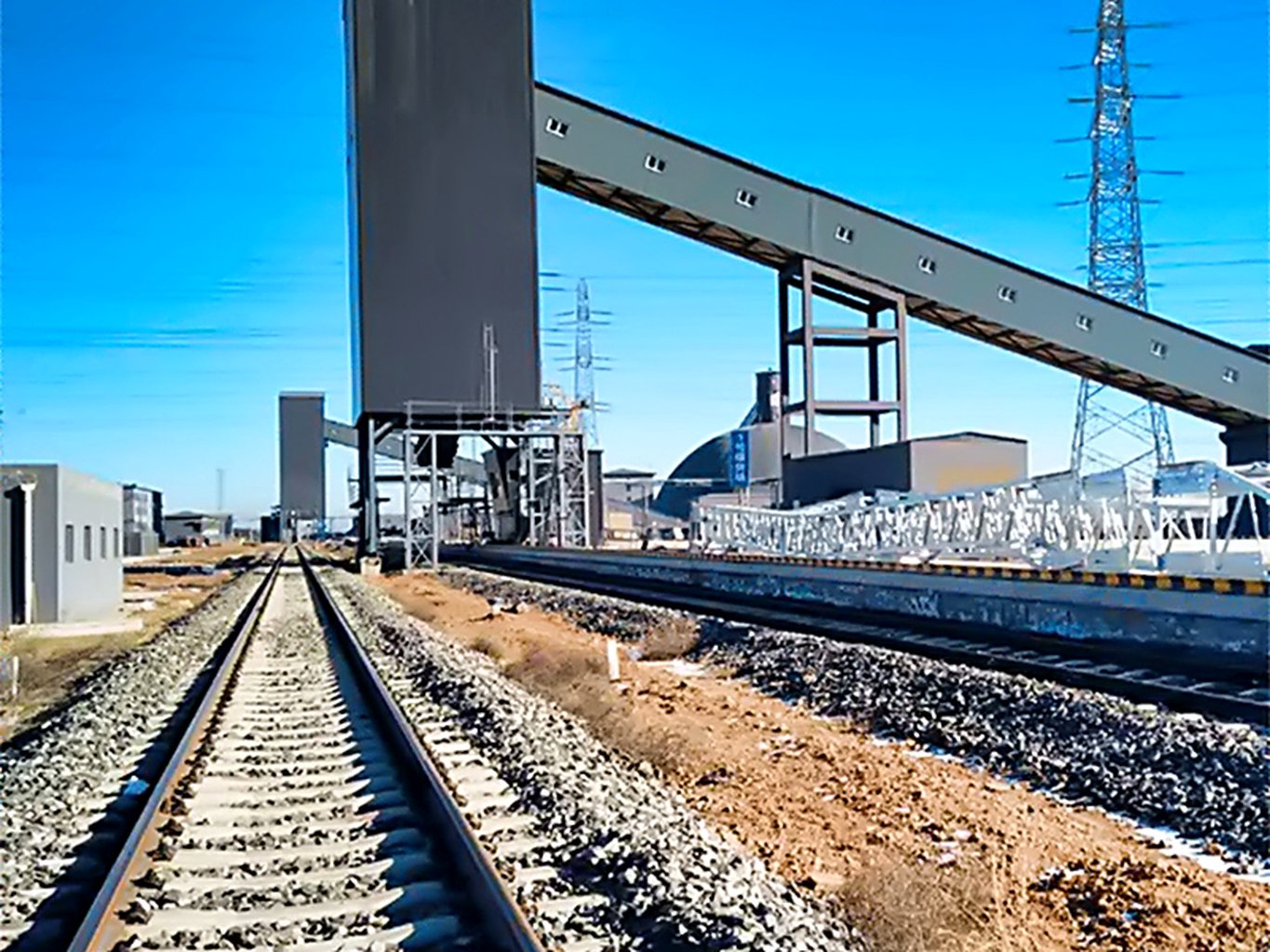
Inbound handling sets the pace of the whole terminal. Marine terminals receive by grab crane or pneumatic ship unloader; inland terminals receive from railcars and road tankers. In all three cases the transfer into storage is pneumatic, and the design questions are the same:
1. Air management at the silo roof: the venting filter must absorb the peak displaced airflow of the fastest receiving mode, not the average — a terminal that receives by ship and by road on the same day designs for both at once.
2. Temperature at the gate: cement that arrives hot from the mill should be cooled or managed before long storage; the terminal’s acceptance procedures are the first line of defense against caking, and entry temperature checks belong in the operating routine, not the warranty claims.
3. Receipt sequencing: first-in-first-out discipline keeps cement from aging in the bottom of the silo — blended by mass-flow discharge rather than channeled by funnel flow.
Internal Conveying: Moving Powder Without Losing It
Inside the fence, cement travels by pneumatic conveying — and the conveying mode is an economics decision, not a detail. Dense-phase conveying runs slower and at higher pressure, moving the same tonnage with roughly 40% less energy and dramatically less pipe wear than dilute-phase systems; over long distances the difference pays for the engineering. What matters at terminal scale is that the conveying design, the silo entry points and the roof venting were drawn by the same hand — every elbow is a wear point, and every transfer point is a dust source.
From storage, discharge to the loading line runs through the fluidized base and metering equipment, keeping the powder aerated and flowing at the rate the loadout bay demands.
Truck Loading: Fast, Clean, Accurate
The loadout bay is where the terminal meets its customers and its regulator. Three requirements shape it:
1. Speed with measurement: rapid quantitative loading — loadout spouts with integrated weighing — fills a road tanker to a declared weight in minutes, keeping turnaround predictable for dispatchers and haulers alike.
2. Dust captured at the source: loading runs through sealed loading chutes with dedusting at the spout, so the air stays clean around the bay and the plant stays inside its emission permits. Fugitive dust from an open loading operation is a compliance liability, and it is also lost product.
3. Temperature discipline at dispatch: the loading stage is the last chance to verify that cement leaving the terminal is cool, dry and on specification — a loaded tanker that heats and cakes in transit becomes the customer’s problem and the terminal’s reputation loss.
Timeline and Turnkey Delivery
A single-structure welded silo terminal of the common distribution sizes is a months-scale construction project — in the order of four months of site work for the storage structure itself, with the receiving and loading systems erected in parallel where the schedule allows. The schedule risk in terminal projects is rarely fabrication; it is interfaces — between the unloader vendor, the silo erector, the electrical contractor and the automation package.
That is the case for turnkey delivery: one contract from material handling design through civil works, fabrication, erection, commissioning and performance testing. Our team delivers bulk cement terminals on this EPC basis, with silo capacities customized from 500 up to 10,000 tons and beyond for terminal duties, a structural design life of 30 years or more, and one year of free maintenance after commissioning. For scope and service details, see our service page — or send us your expected annual throughput and vessel dispatch pattern, and we will come back with a terminal layout and a quotation.
Frequently Asked Questions
How do you size the storage for a cement terminal?
Work from turnover, not peak inventory: the silo group must buffer the arrival pattern of ships or railcars against the daily rhythm of truck dispatch, with a margin for delivery delays. Nominal capacity is stated in tons — cement at roughly 1.3 t/m³ bulk density — and split across at least two silos so receiving and dispatch can run independently.
How is dust controlled during truck loading?
Through sealed loading chutes with spout-integrated dedusting, backed by roof vent filters sized for peak conveying airflow. The loading bay, the silo venting and the conveying system are designed as one air-management scheme — capturing dust at each transfer point instead of chasing it after it escapes.
How long does a cement terminal silo last?
A properly coated and maintained welded steel silo is designed for a structural life of 30 years or more. The consumables — filter bags, aeration elements, level sensors and wear liners in the conveying lines — are planned-maintenance items, which is why terminals increasingly contract maintenance as a service rather than an afterthought.